
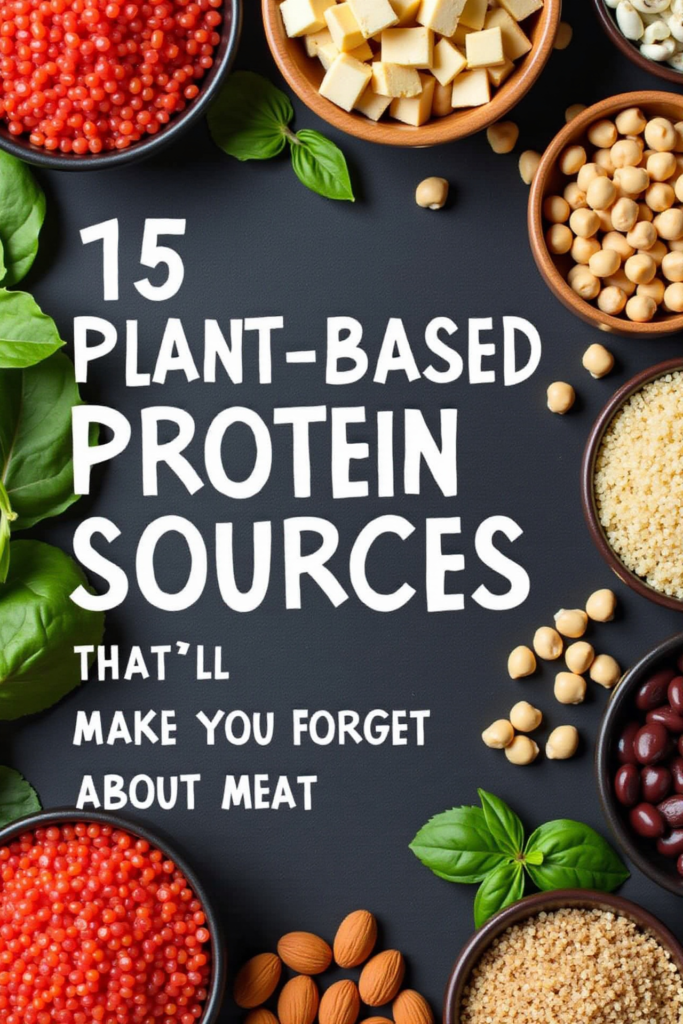

15 Plant-Based Protein Sources That’ll Make You Forget About Meat
Introduction
Craving protein but eager to skip the meat? It’s never been easier—or tastier—to find nutritious, satisfying alternatives. Whether you’re exploring a vegetarian lifestyle or just want to add more variety to your meals, these 15 plant-based protein sources prove you don’t have to rely on animal products to meet your nutritional needs. Enjoy bold flavors, impressive textures, and all the essential amino acids your body needs, right from your pantry and produce aisle.
Why You’ll Love These Plant-Based Protein Picks
Each of these protein sources is packed with natural flavor and versatility, making them perfect not just for vegetarians and vegans, but for anyone looking to lighten up their routine. Use them as the base for hearty stir-fries, energy-boosting bowls, or crowd-pleasing snacks. With this list, you’ll never have to compromise on taste or satisfaction!
The Top 15 Plant-Based Protein Sources
Ingredients
💡Meal Planning Tip: Save this list to generate a perfectly sorted shopping list. Whether you’re meal prepping or just restocking your pantry, CookifyAI groups everything by store section for a smarter, stress-free grocery trip.

How to Add These Protein All-Stars to Your Diet
– **Lentils & Beans:** Simmer into hearty soups, stews, or veggie burgers.
– **Tofu & Tempeh:** Stir-fry with colorful veggies, marinate and grill, or add to curries.
– **Edamame:** Toss into salads, rice bowls, or blend into dips.
– **Quinoa & Peas:** Use as the base for power bowls or as a protein-packed side.
– **Nut & Seed Butters:** Spread on toast, swirl into oatmeal, or blend into smoothies.
– **Almonds, Pumpkin & Sunflower Seeds:** Sprinkle on salads, yogurt, or granola for crunch and protein.
– **Chia Seeds:** Make overnight pudding, add to smoothies, or stir into baked goods.
– **Seitan:** Substitute for chicken or beef in stir-fries, sandwiches, or kebabs.
– **Nutritional Yeast:** Sprinkle on popcorn, salads, or pasta for a cheesy flavor boost.
Fresh Meal Ideas Using Plant-Based Protein Sources
– Lentil & quinoa chili with chickpeas, corn, and tomatoes
– Tempeh and edamame stir-fry with broccoli and ginger sauce
– BBQ tofu sandwiches topped with coleslaw
– Chia seed overnight pudding with almonds and berries
– Roasted chickpea and pumpkin seed snack mix
Nutrient Highlights & Serving Sizes
Many plant-based proteins also come with bonus fiber, iron, magnesium, and healthy fats. For best results, enjoy a variety, and be sure to pair with vitamin C-rich veggies to boost plant iron absorption.
Typical serving sizes:
– Beans: 1 cup cooked
– Nuts and seeds: 1 ounce (about a small handful)
– Soy products (tofu/tempeh): 3–4 ounces
Recap: 15 Plant-Based Protein Sources That’ll Make You Forget About Meat
These plant-based protein options do more than just substitute meat—they add unique flavors, textures, and nutrients, keeping your meals balanced and exciting all week long.
Weekly Meal Planning
Add variety to your meal planning by featuring these high-protein foods in breakfasts, lunches, and dinners. Save and schedule your favorite plant-based recipes with CookifyAI to auto-generate a shopping list that covers everything—beans, grains, nuts, seeds, and more—all organized by grocery store section for ultimate efficiency.
Planning Benefits:
– Combines overlapping ingredients from all your meals into one streamlined list
– Eliminates guesswork and last-minute store runs
– Helps spot opportunities to batch-cook or prep meals in advance
– Minimizes food waste by calculating total quantities needed for the week
Pro tip: When you plan recipes using multiple protein sources, schedule your meals to ensure you have exactly the right amount of lentils, tofu, or seeds—making healthy, plant-powered living deliciously easy.
Cook and Prep Times
Prep time: 5–15 minutes per recipe
Cook time: 10–40 minutes (varies by source)
Total time: Most meals ready in under 45 minutes
Ready to power up your weekly menu? Incorporate these 15 plant-based protein sources and discover meals that satisfy both your hunger and your tastebuds—no meat required.
